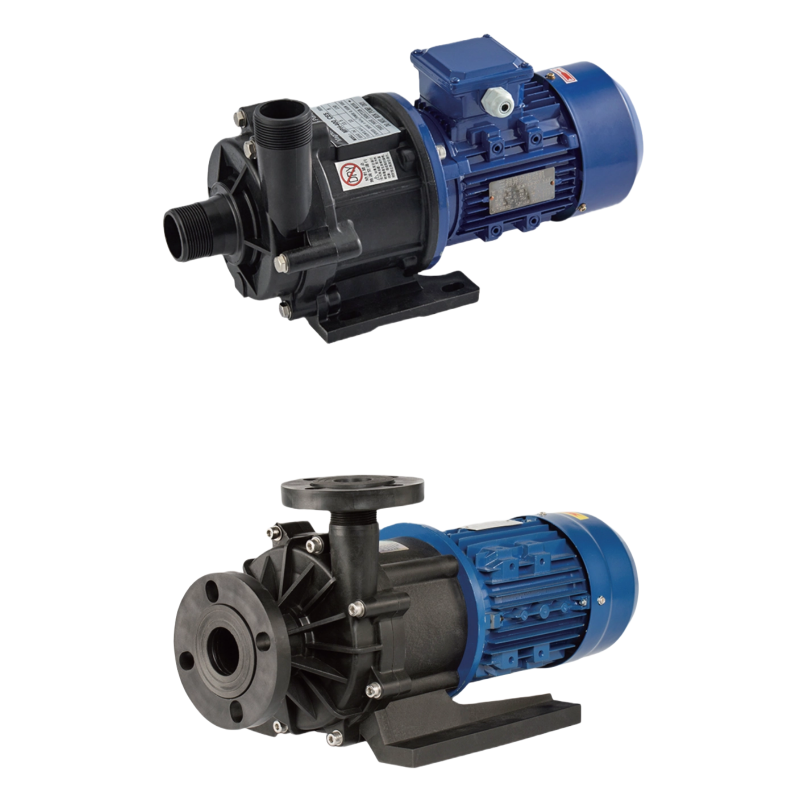
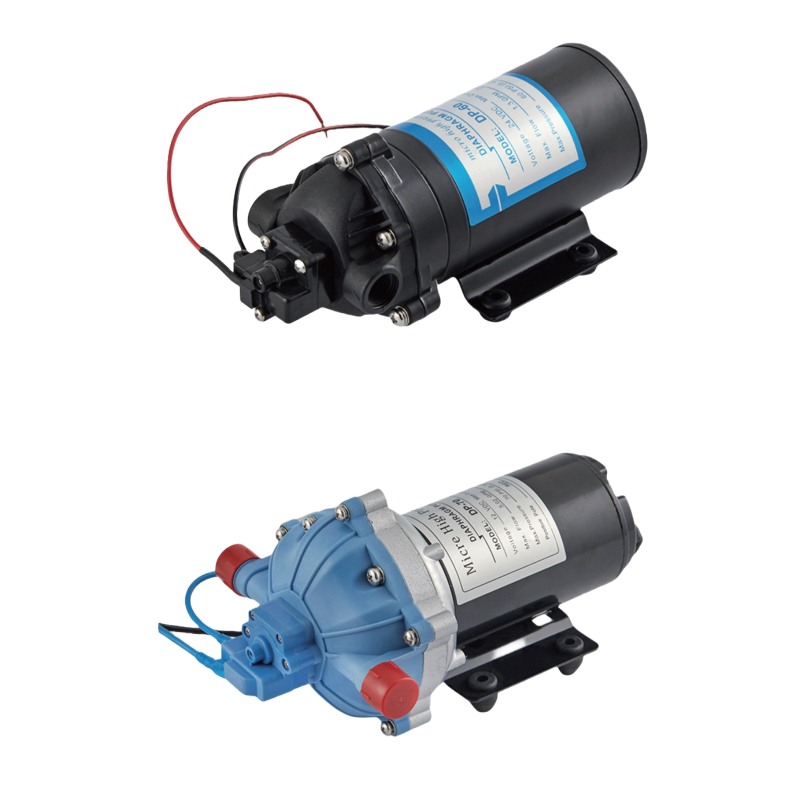
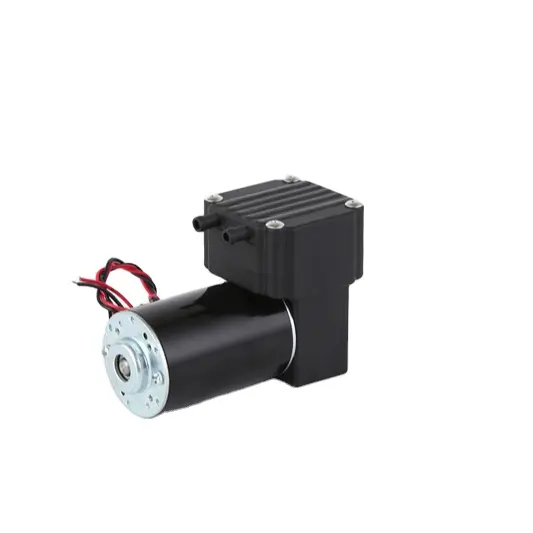
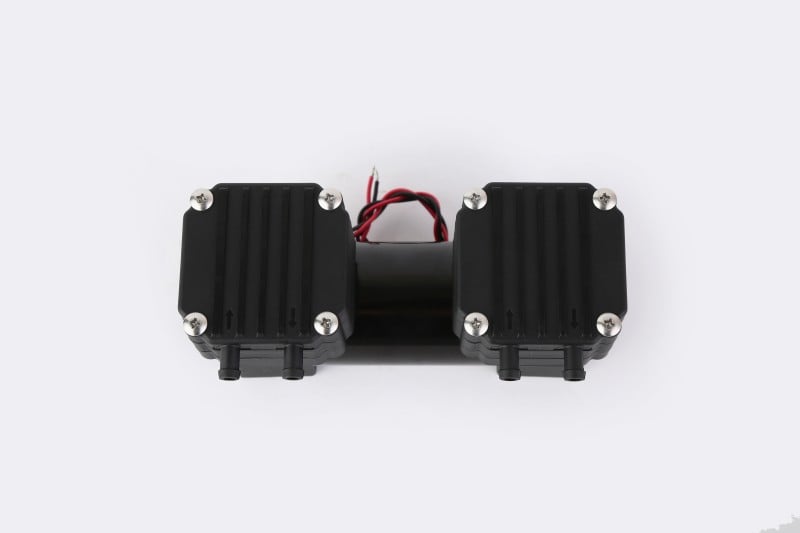
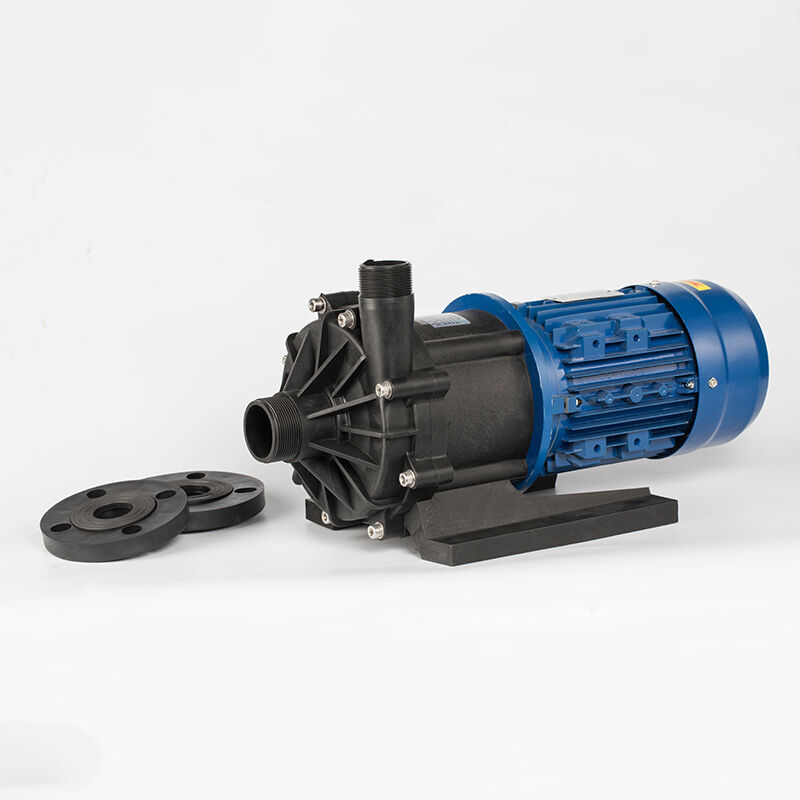
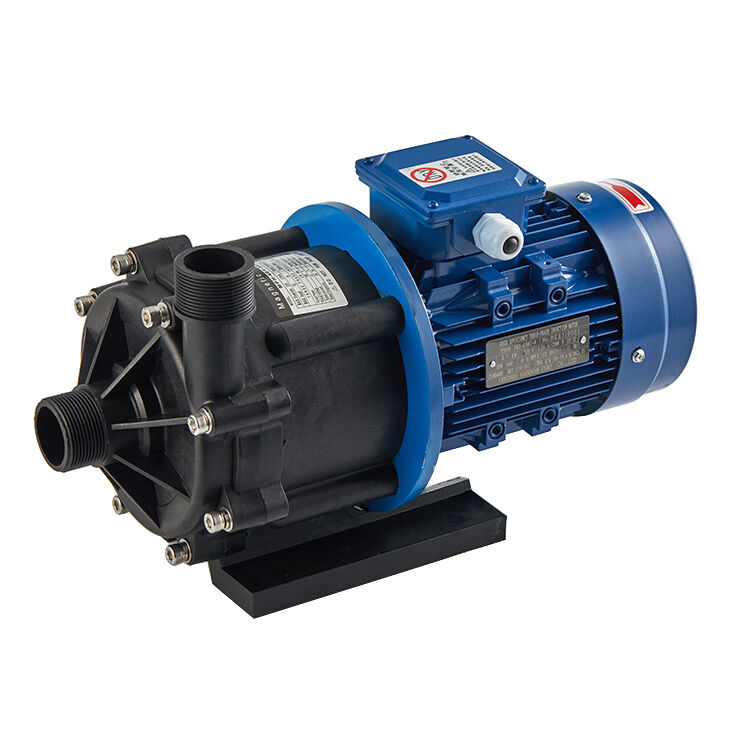
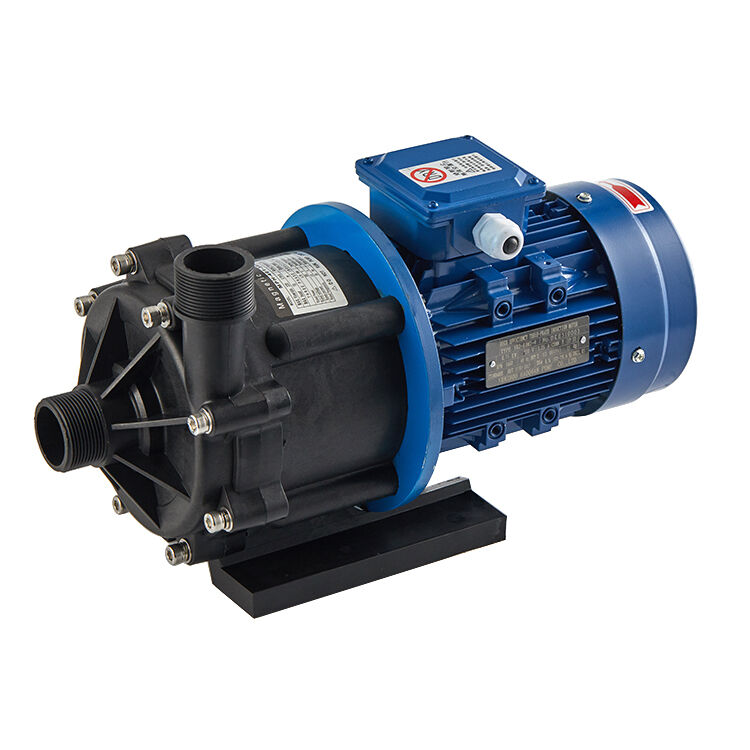
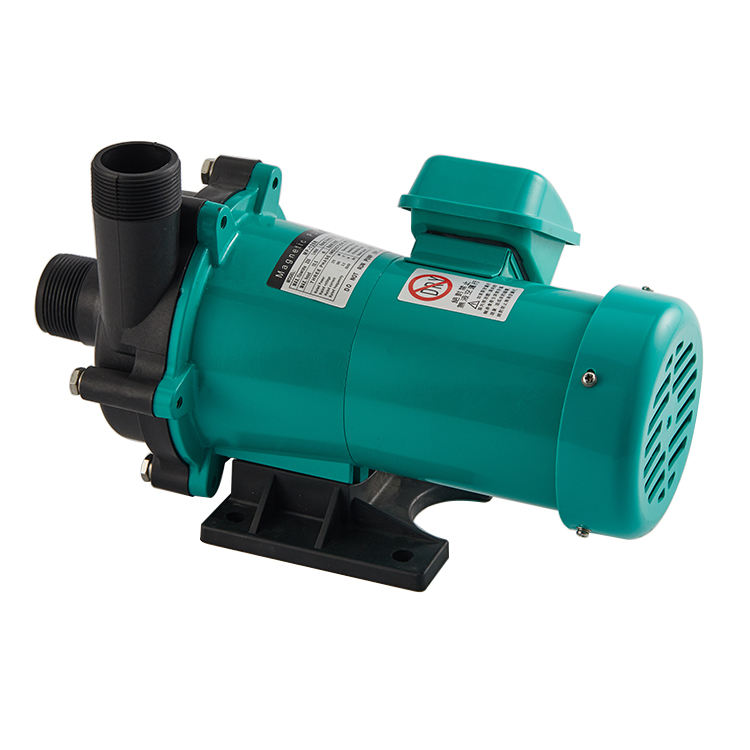
booster pump factory
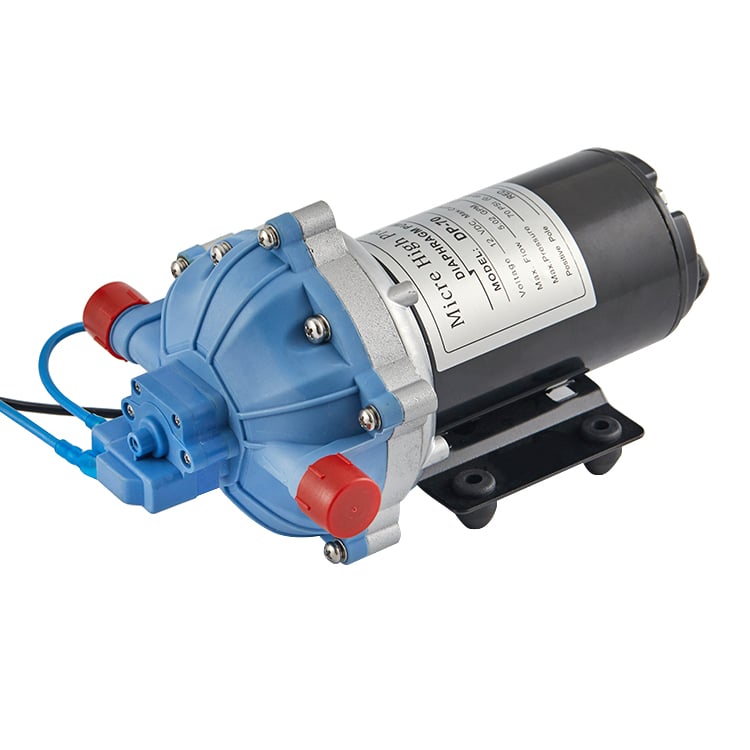
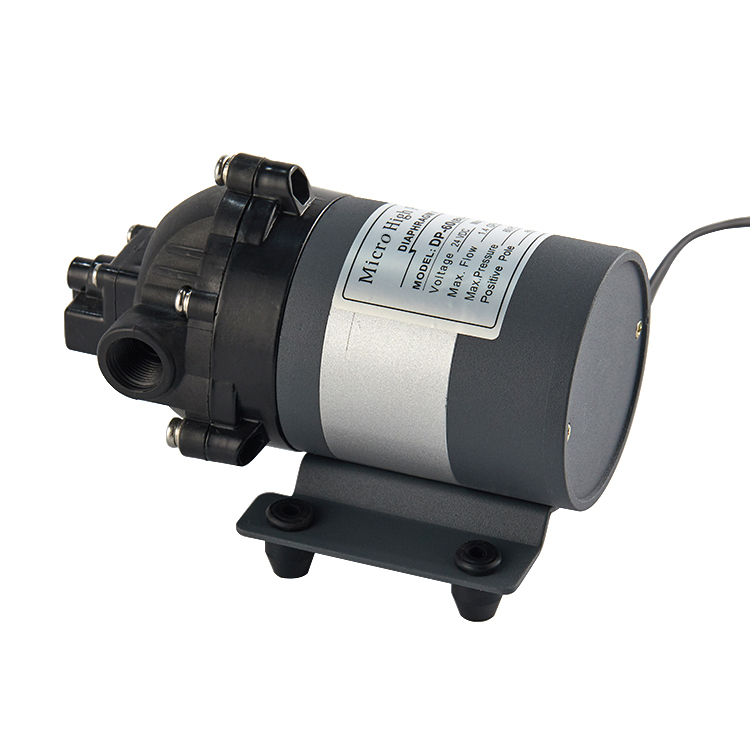
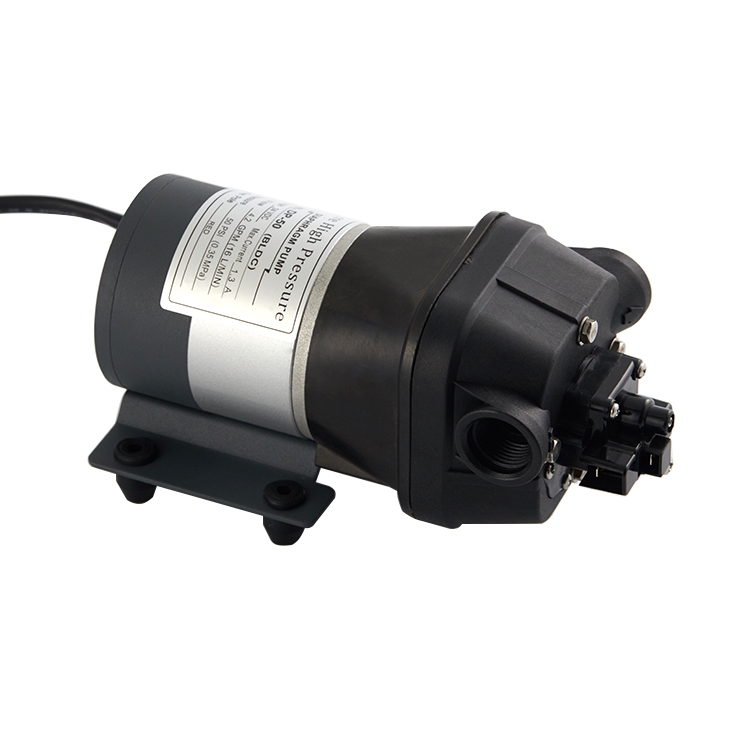
A booster pump factory represents a specialized manufacturing facility dedicated to producing high-performance pumping solutions for diverse industrial applications. The booster pump factory operates with precision engineering and quality-focused production processes to deliver reliable equipment that enhances fluid transfer efficiency across multiple sectors.
The primary function of a booster pump factory involves designing, manufacturing, and testing booster pumps that increase pressure and flow rates in water supply systems, HVAC installations, and industrial processes. These facilities employ advanced manufacturing techniques to ensure each unit meets stringent performance standards.
Technologically, a booster pump factory integrates modern automation systems, CNC machining, and quality control protocols. The production capabilities include variable-speed pump designs, energy-efficient motors, and intelligent pressure regulation systems. Advanced diagnostic equipment allows the booster pump factory to test pressure capabilities, flow consistency, and durability before distribution.
Applications span residential water boosting, commercial building systems, agricultural irrigation, industrial chemical processing, and emergency fire suppression networks. The booster pump factory produces equipment suitable for corrosive environments, high-temperature conditions, and demanding commercial installations.
Modern booster pump factory operations emphasize sustainability through efficient manufacturing processes and eco-friendly product designs. These facilities maintain comprehensive inventory systems and implement lean manufacturing principles to optimize production efficiency and reduce waste throughout their operations.

 EN
EN