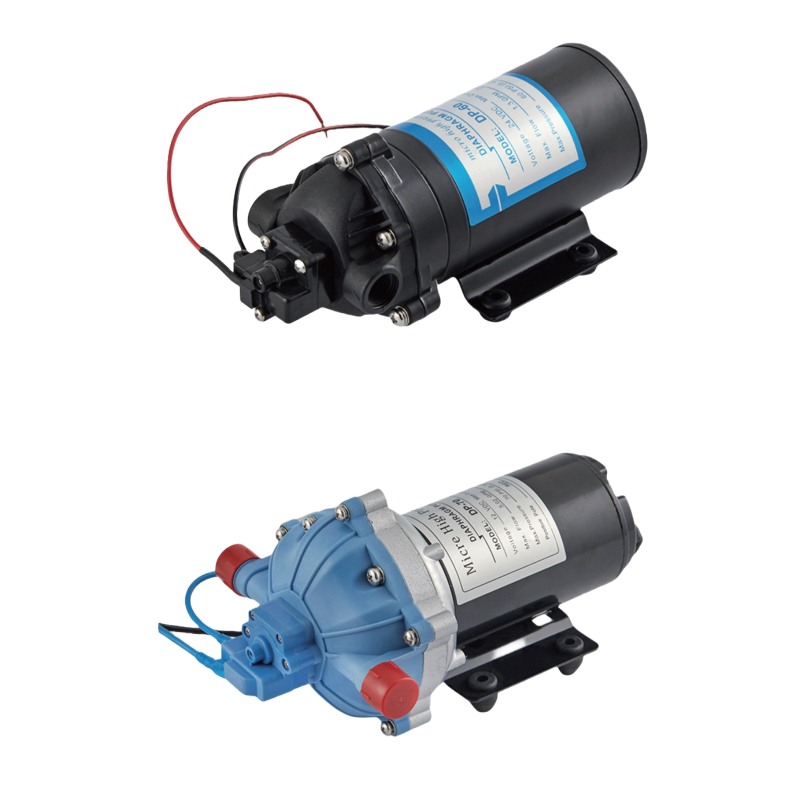
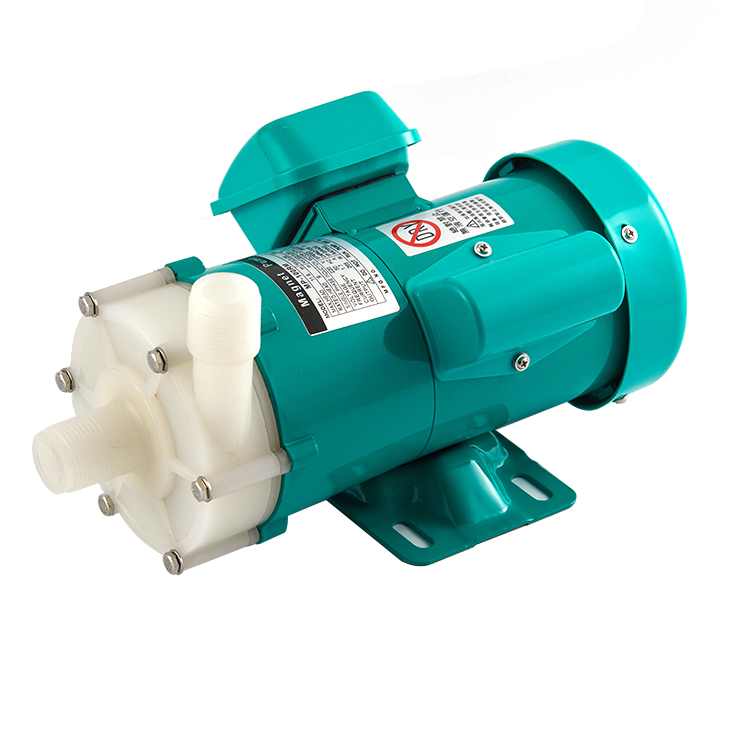
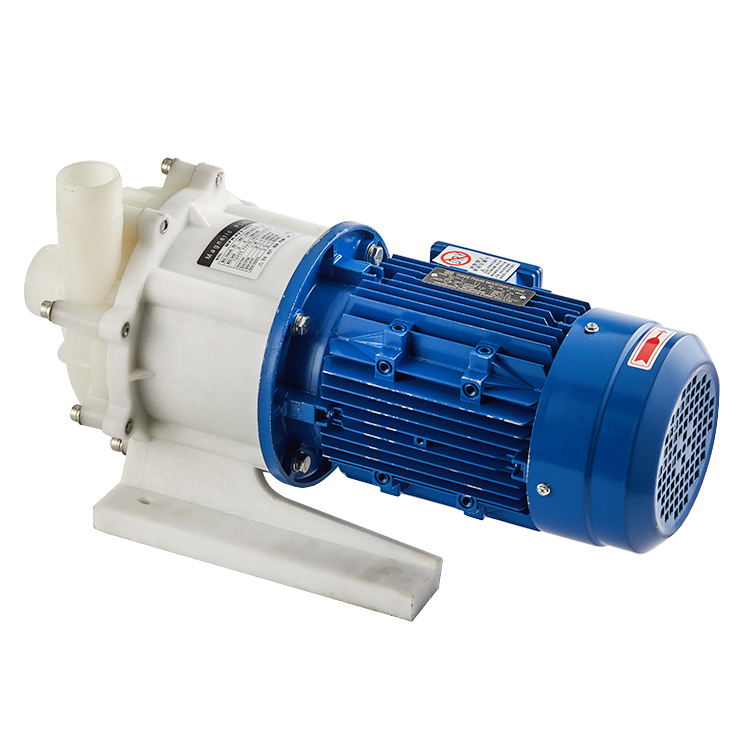
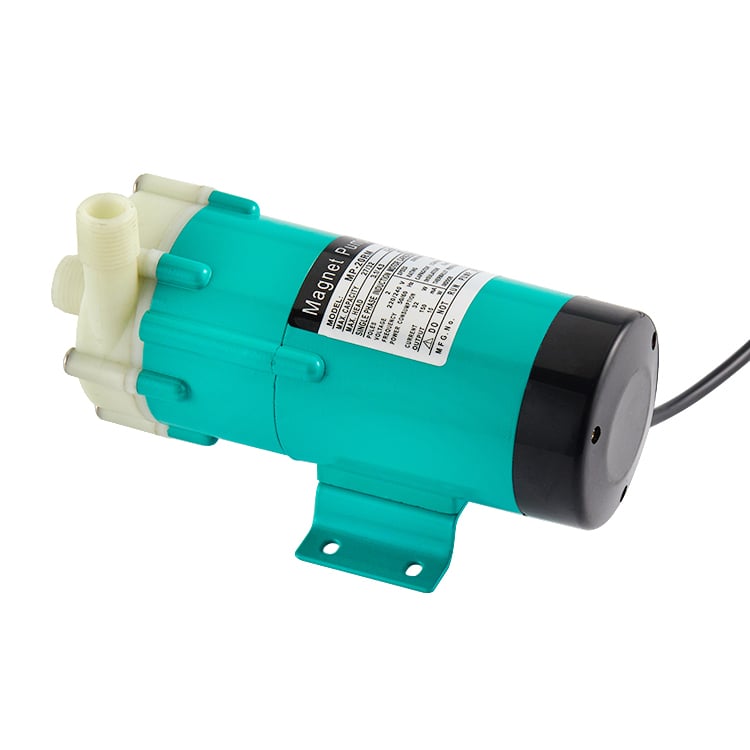
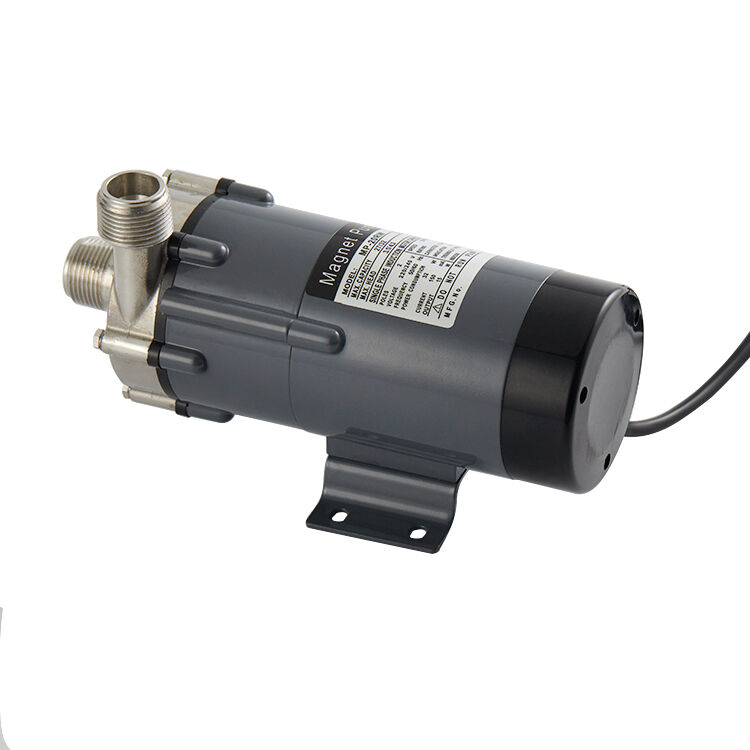
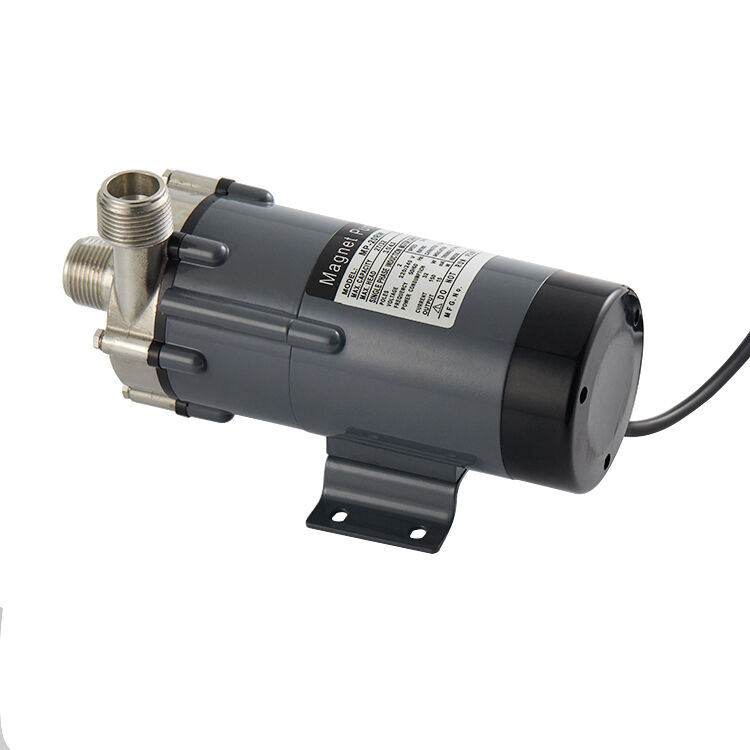
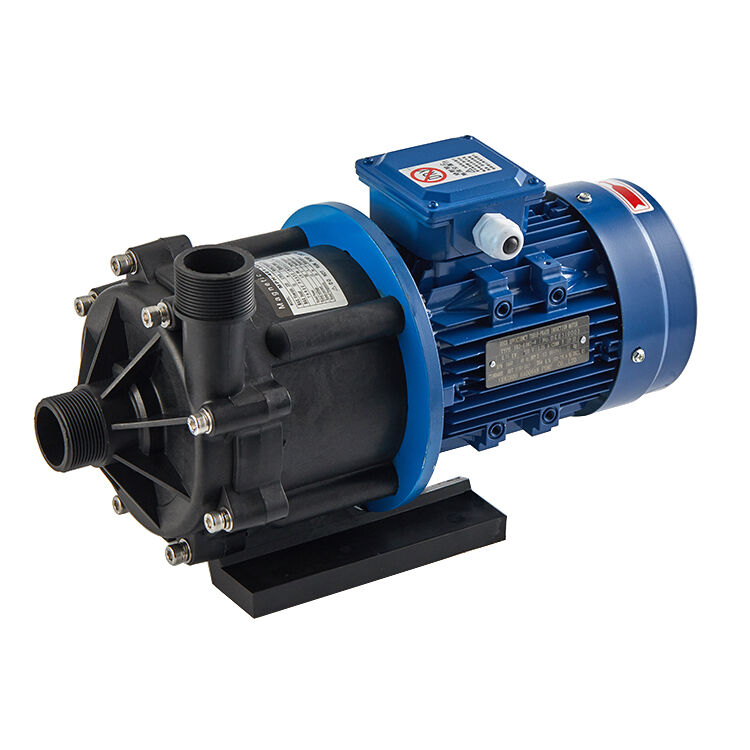
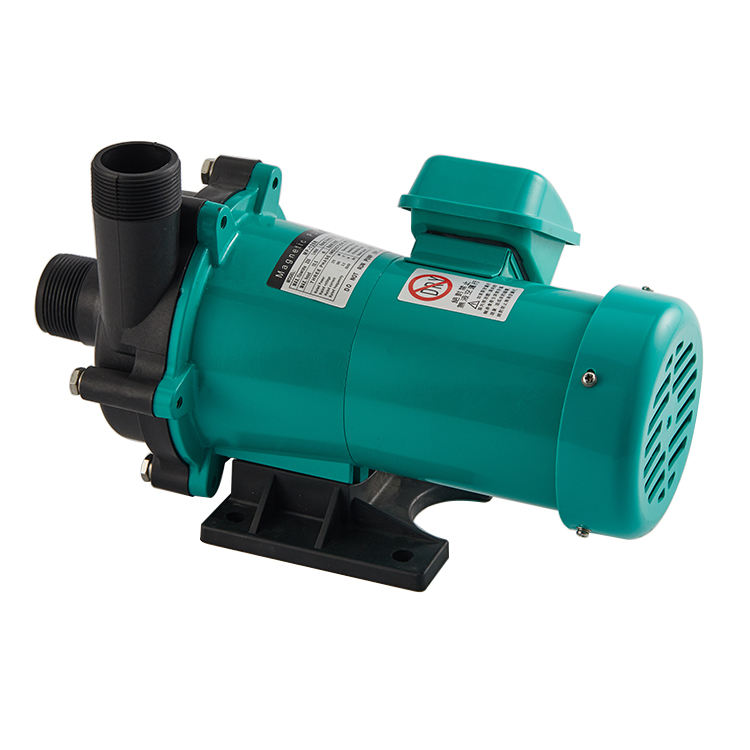
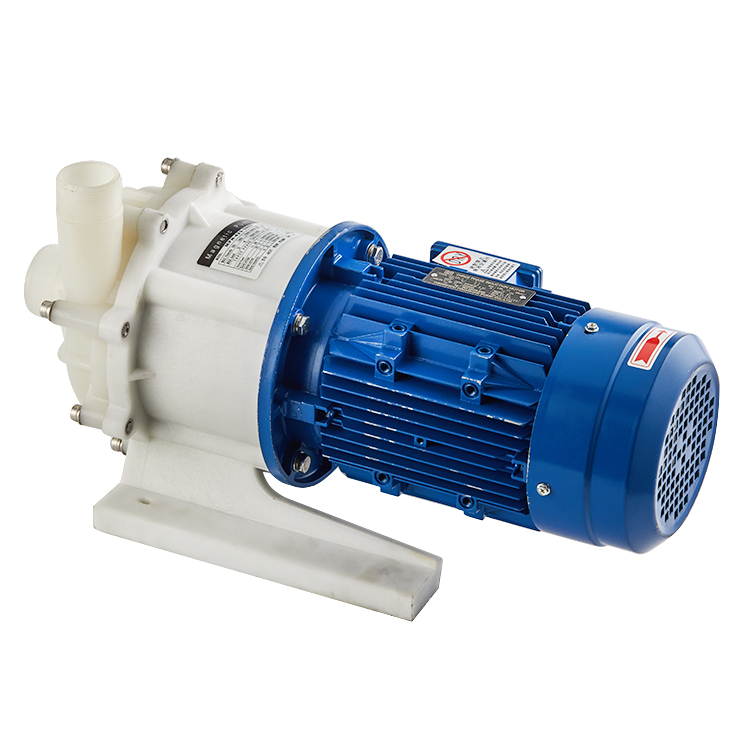
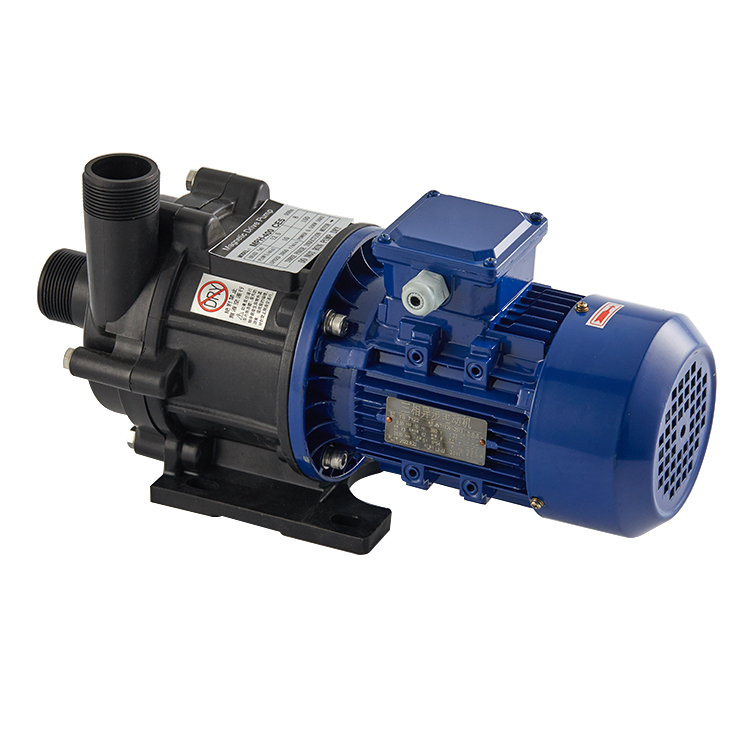
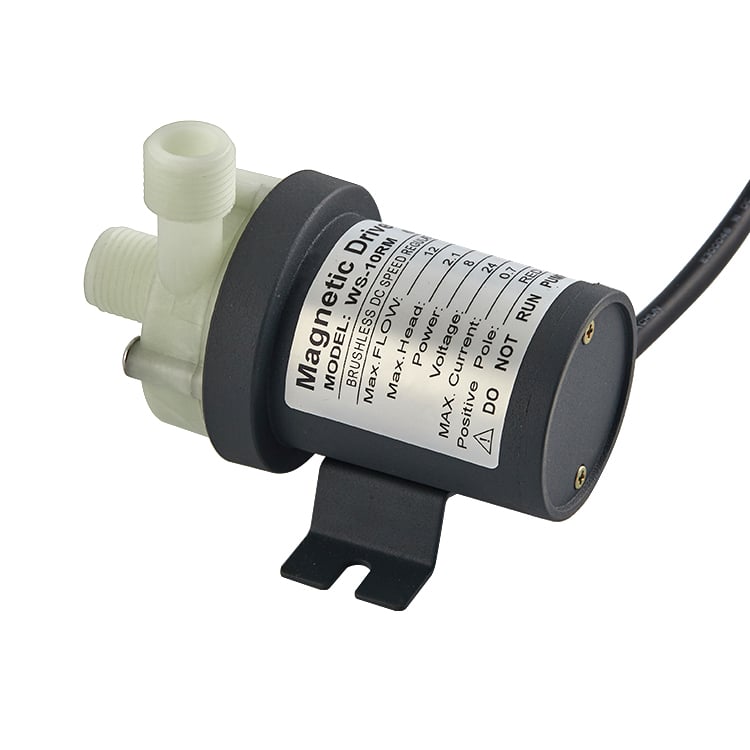
chemical pump for sulfuric acid
A chemical pump for sulfuric acid is a specialized industrial equipment designed to safely transfer and handle sulfuric acid in various applications. This chemical pump for sulfuric acid represents a critical component in chemical processing, manufacturing, and industrial operations where corrosive liquids require secure and reliable transportation. The chemical pump for sulfuric acid is engineered with materials that resist corrosion, ensuring durability and extended service life even under harsh operational conditions.
The main functions of a chemical pump for sulfuric acid include efficient liquid transfer, precise flow rate control, and maintaining system integrity during continuous operation. These pumps facilitate the movement of sulfuric acid from storage tanks to processing units, reactors, or distribution points while preventing leaks and environmental contamination.
Technological features of the chemical pump for sulfuric acid include advanced sealing systems that minimize leakage, corrosion-resistant construction materials such as specialized polymers or lined steel, and variable speed drives that optimize energy consumption. The design incorporates safety mechanisms to protect operators and equipment from hazardous exposure.
Applications for a chemical pump for sulfuric acid span multiple industries, including battery manufacturing, metal processing, petroleum refining, textile production, and water treatment facilities. Industries rely on this equipment to maintain consistent production rates and ensure workplace safety when handling aggressive chemicals. The chemical pump for sulfuric acid has become indispensable in modern industrial operations requiring dependable corrosive liquid handling solutions.

 EN
EN