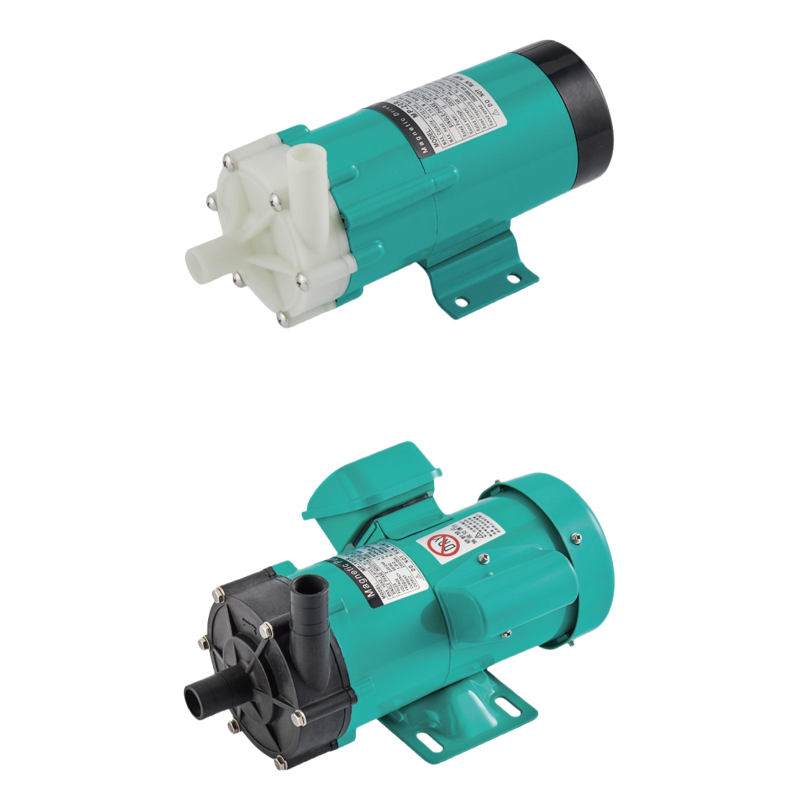
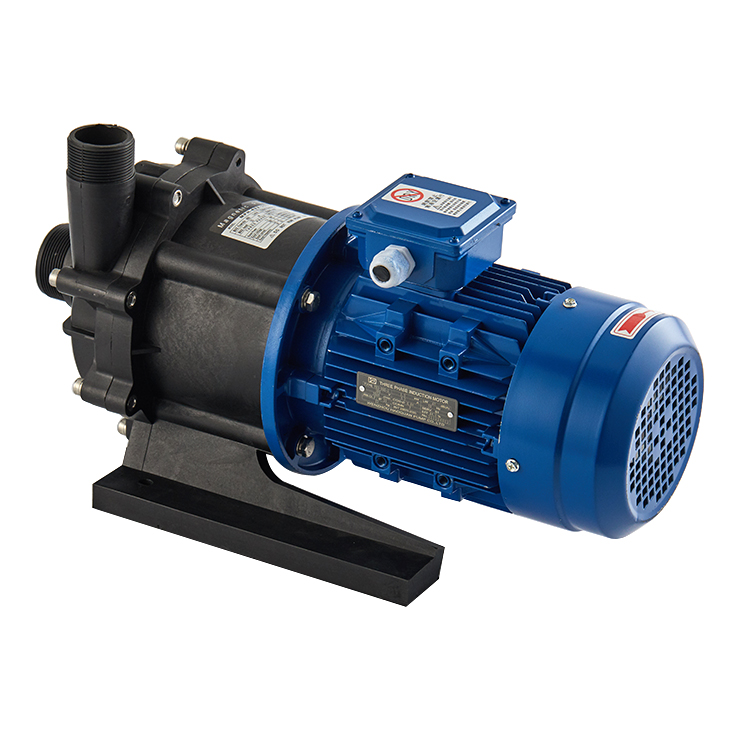
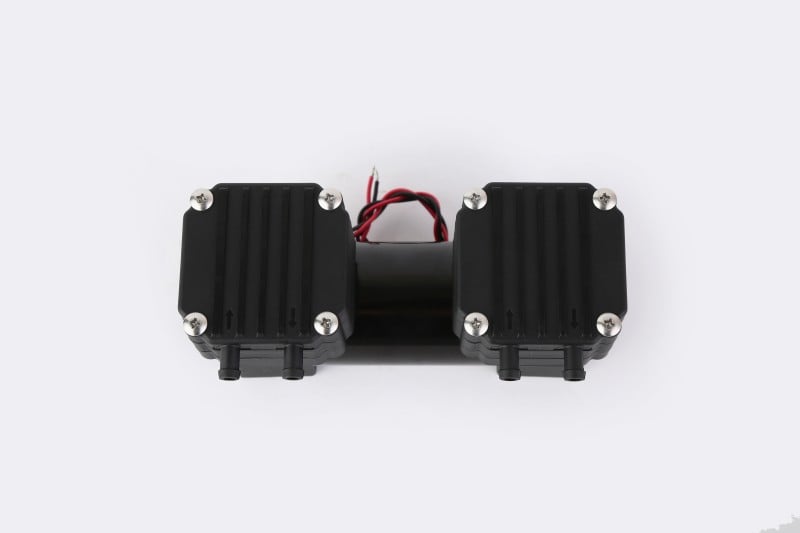
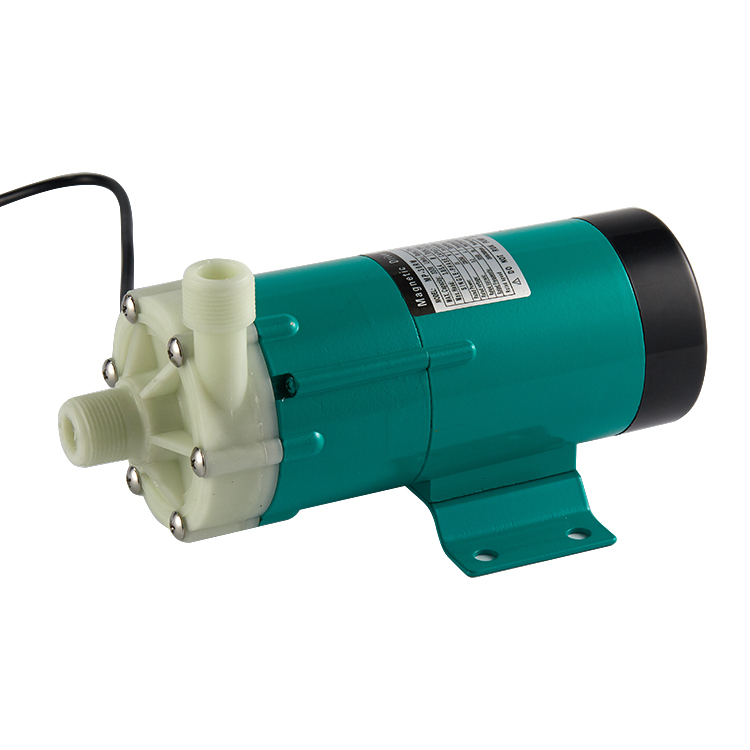
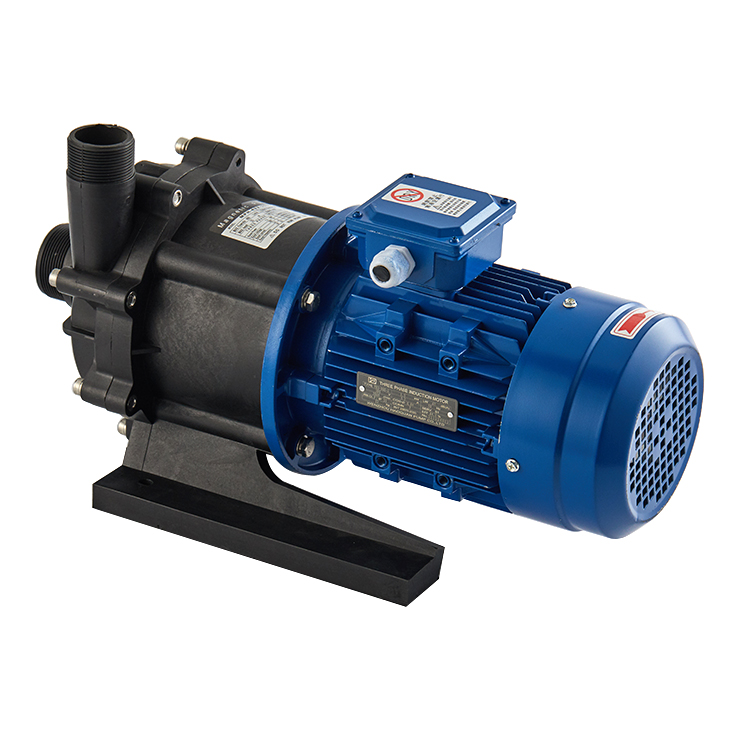
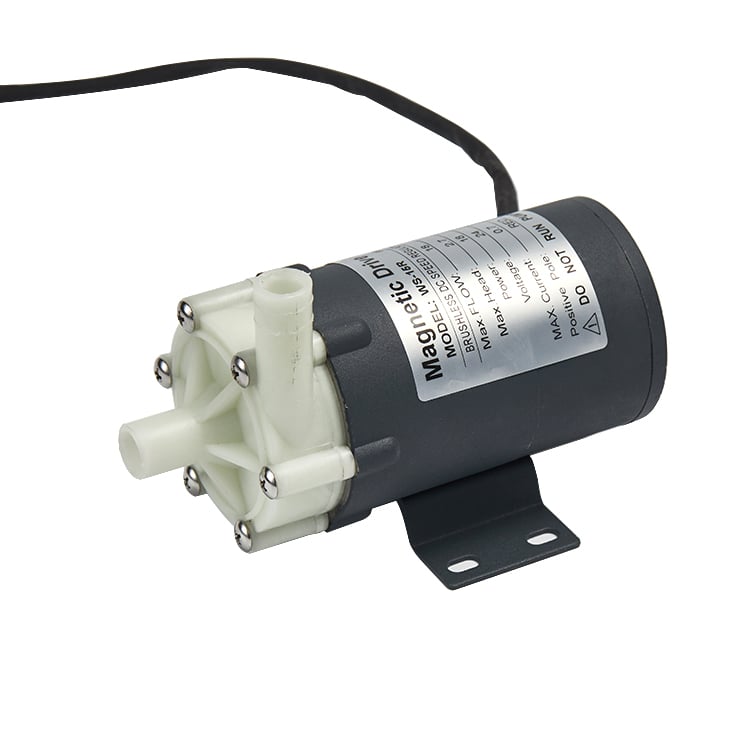
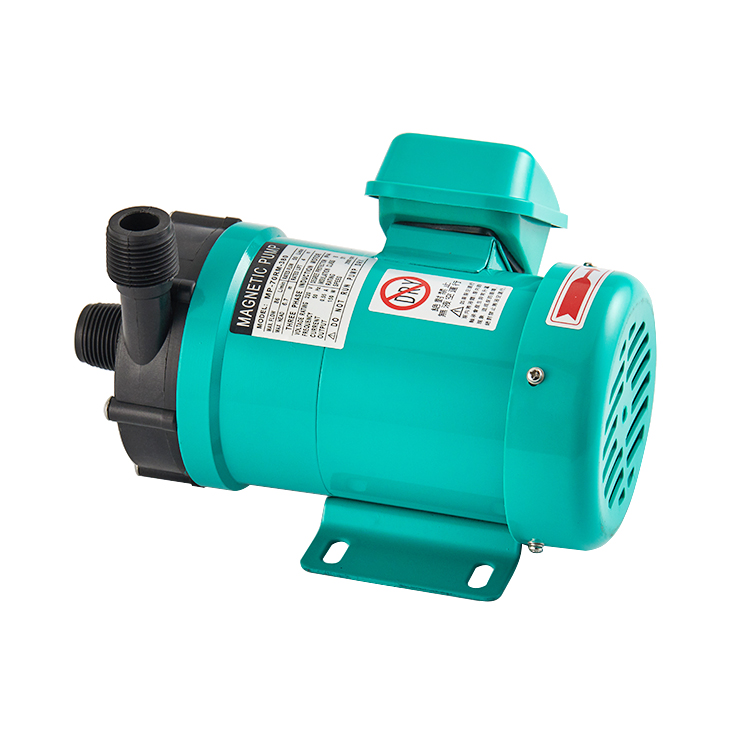
chemical pump for ethanol
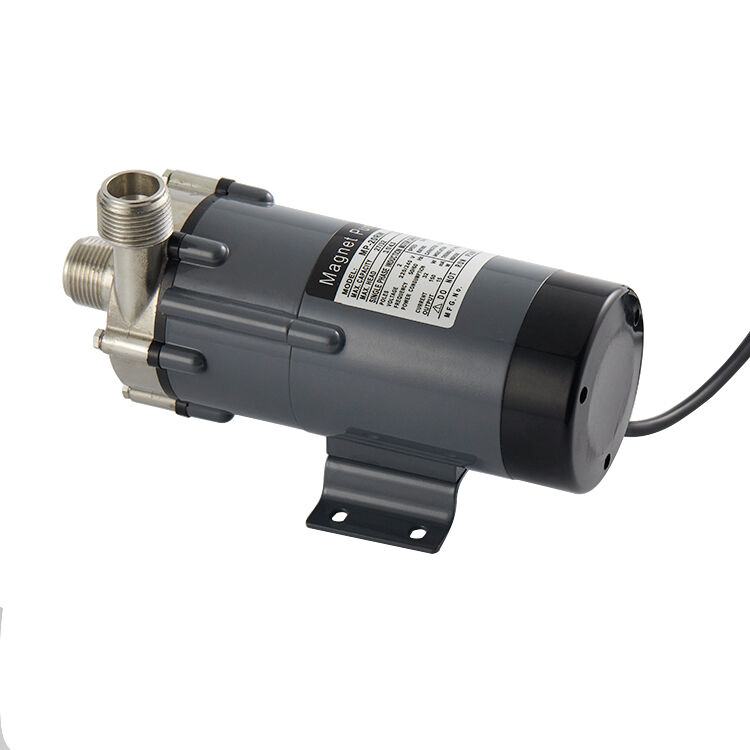
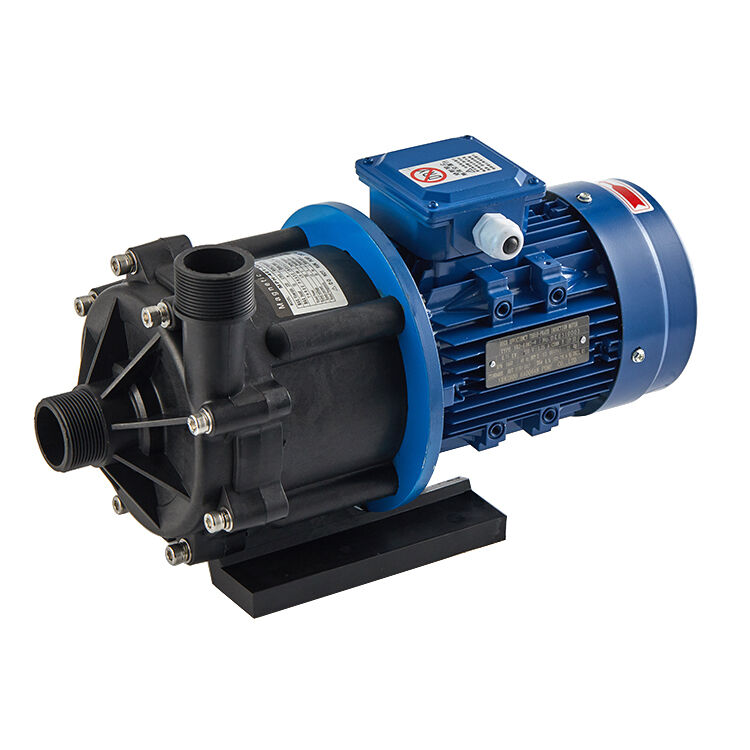
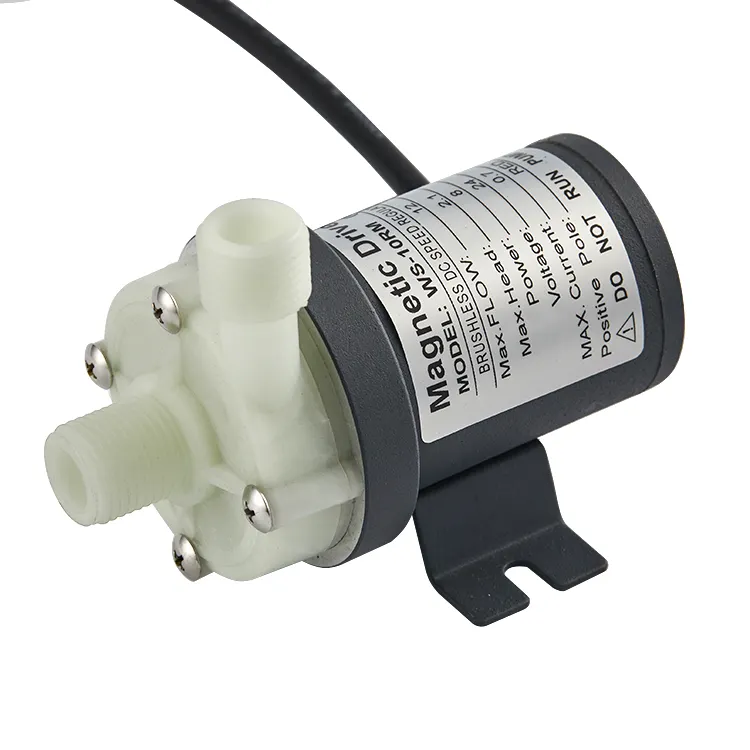
A chemical pump for ethanol is a specialized fluid transfer device designed to handle ethanol and related chemical compounds safely and efficiently. This industrial equipment serves as the backbone of numerous applications across petroleum, pharmaceutical, beverage, and chemical manufacturing industries. The chemical pump for ethanol operates by using mechanical force to move liquid through pipes and systems, accommodating the unique properties of ethanol while maintaining operational integrity.
The primary function of a chemical pump for ethanol involves precise fluid displacement and consistent flow rates across various processing stages. These pumps excel at managing corrosive and volatile substances that standard pumps cannot handle effectively. The chemical pump for ethanol features robust construction materials including stainless steel and specialized alloys that resist chemical degradation and extend equipment lifespan significantly.
Technological features distinguish modern chemical pumps for ethanol from conventional alternatives. Advanced sealing mechanisms prevent leakage of volatile compounds, while variable speed drives optimize energy consumption based on operational demands. Temperature control capabilities ensure ethanol remains within safe processing parameters, preventing evaporation losses and maintaining product quality. The chemical pump for ethanol incorporates precision-engineered components that deliver repeatable performance across extended operational periods.
Applications range from fuel production and distribution to laboratory research and industrial synthesis. Manufacturing facilities depend on chemical pumps for ethanol to transfer feedstock between storage vessels and processing equipment. Pharmaceutical companies utilize these pumps for extracting and purifying active ingredients. The versatility of a chemical pump for ethanol makes it indispensable across diverse industrial sectors requiring reliable chemical handling solutions.

 EN
EN