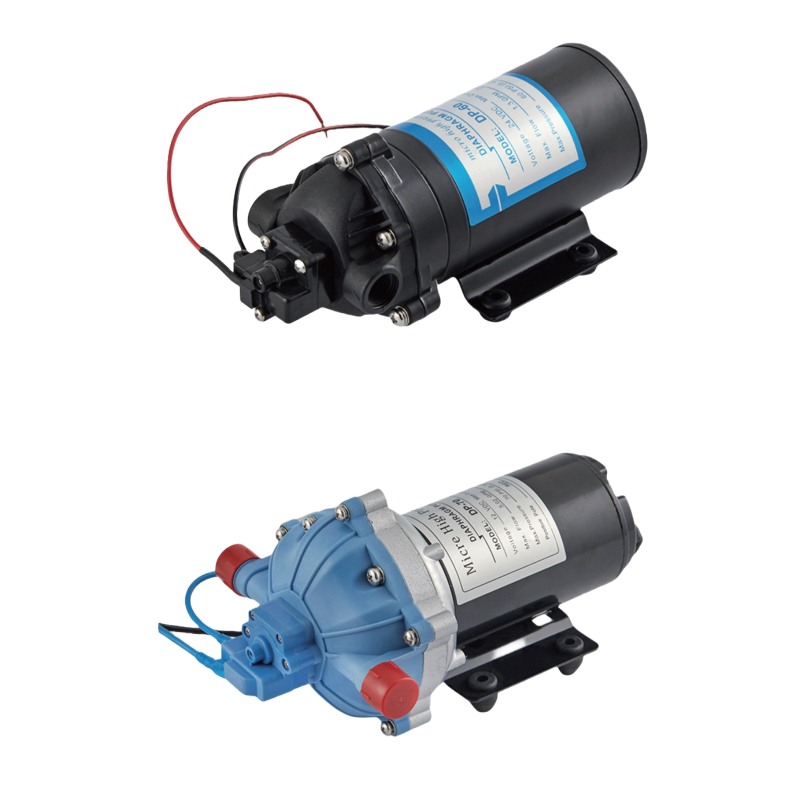
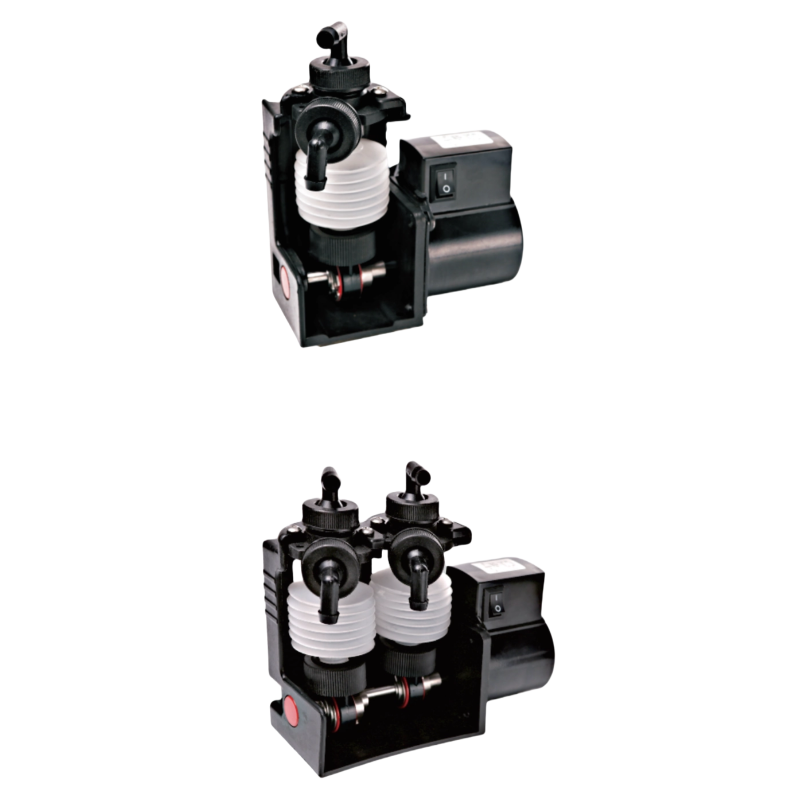
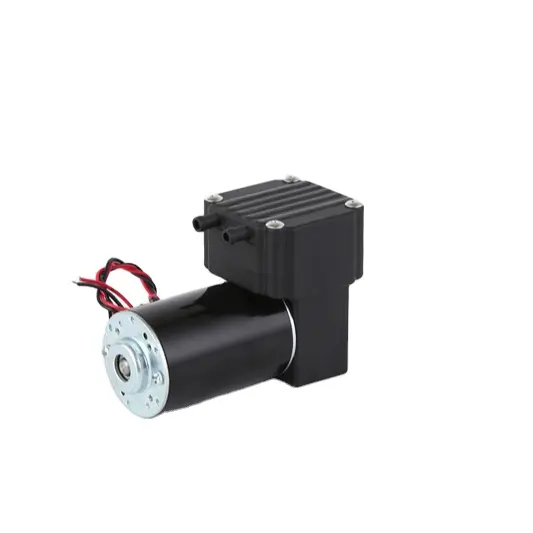
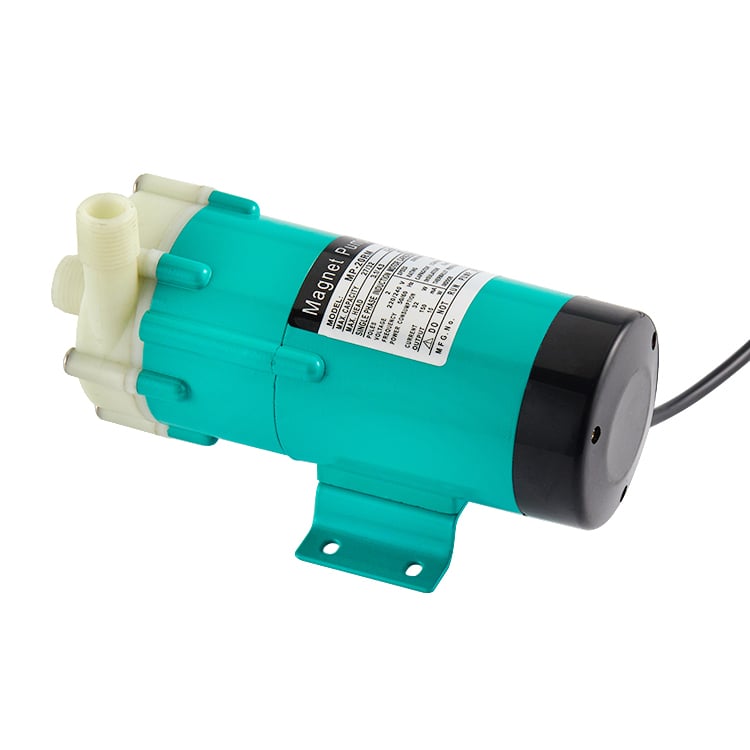
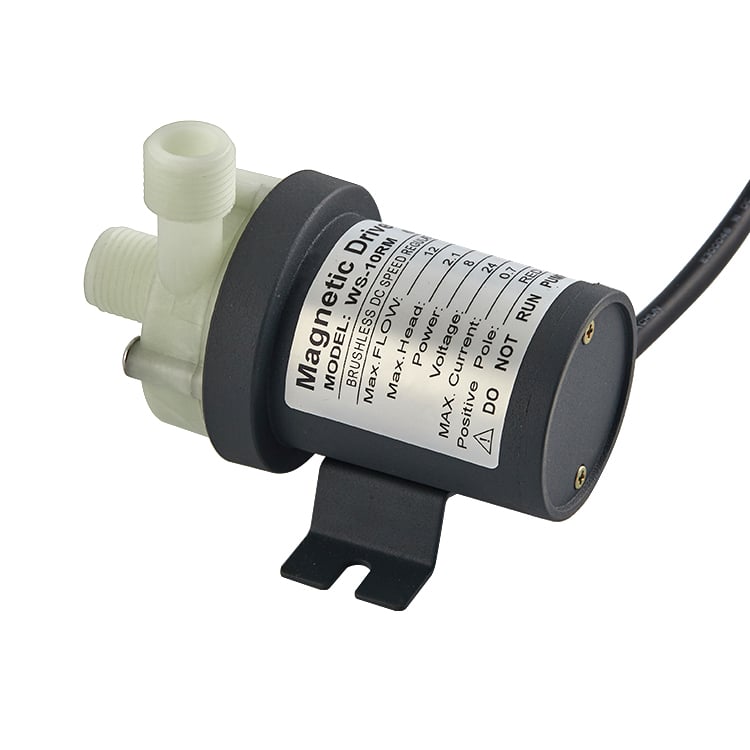
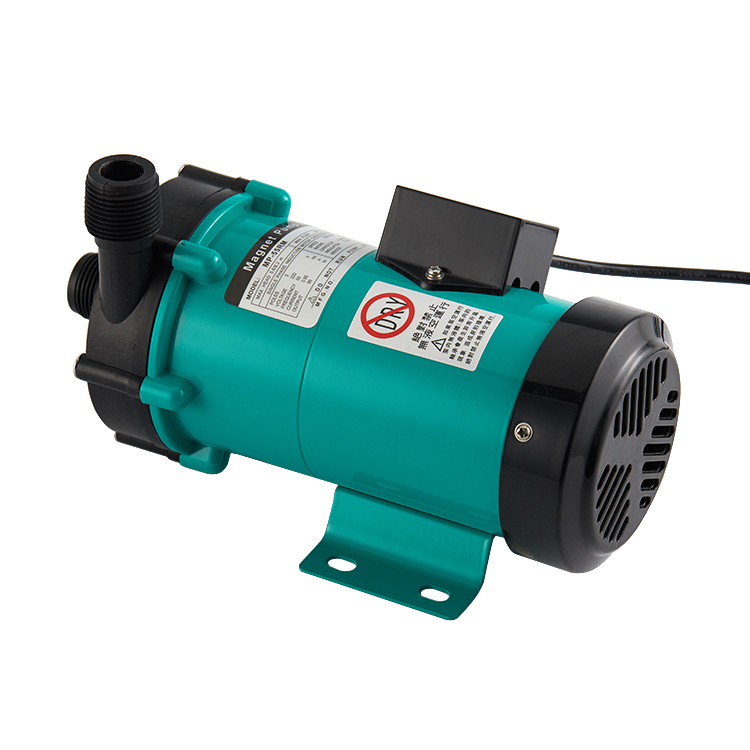
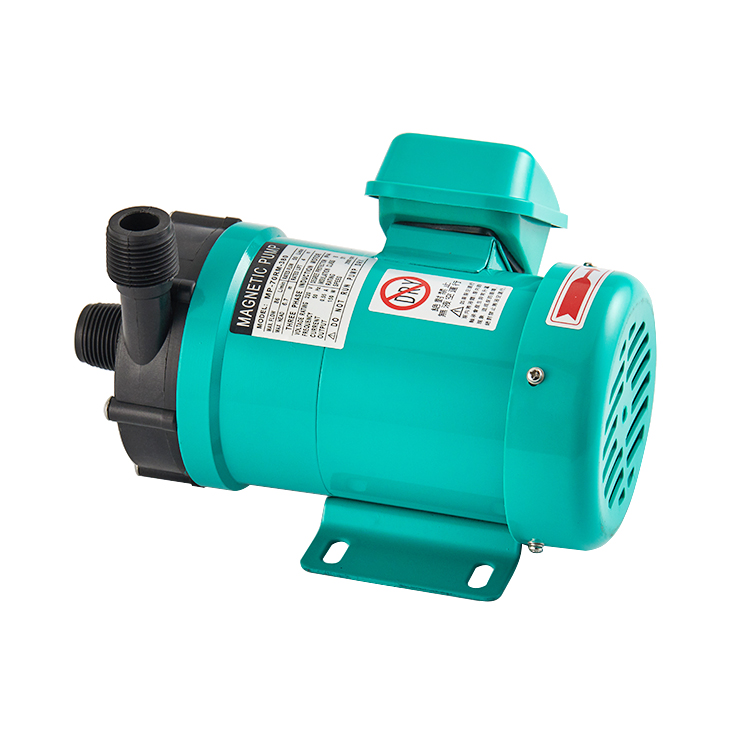
chemical pump for alkaline fluids
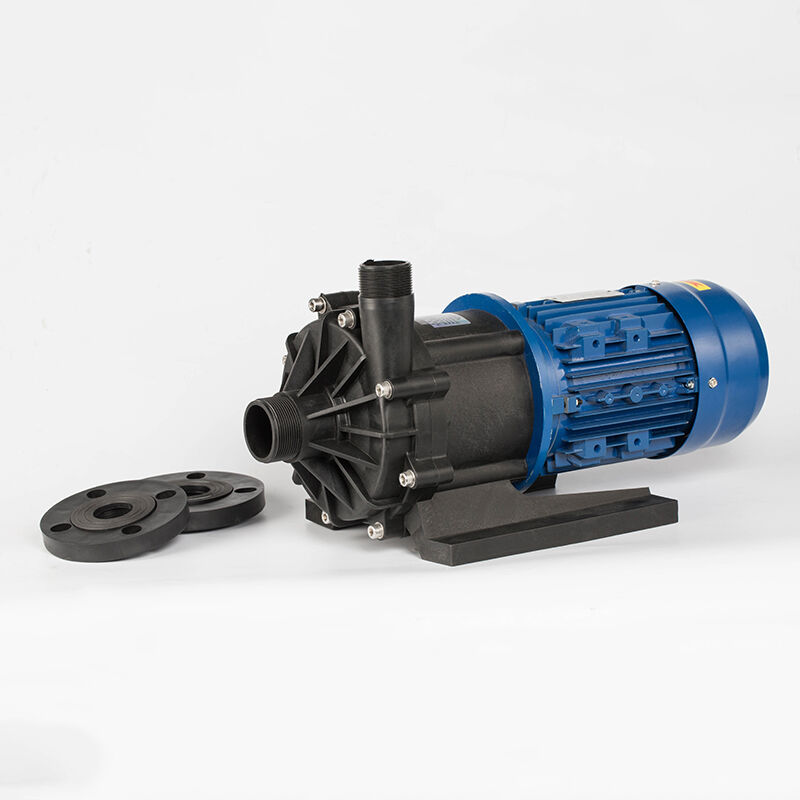
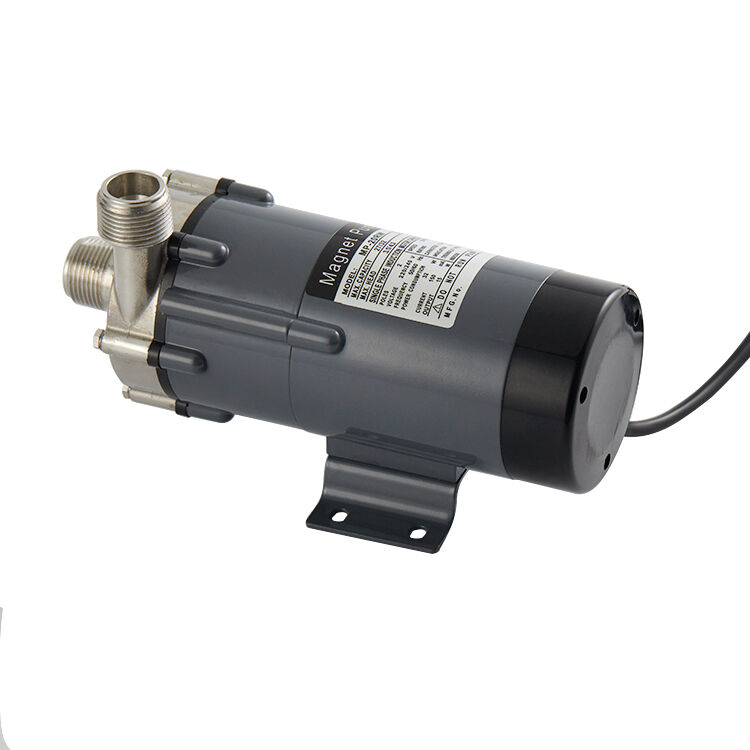
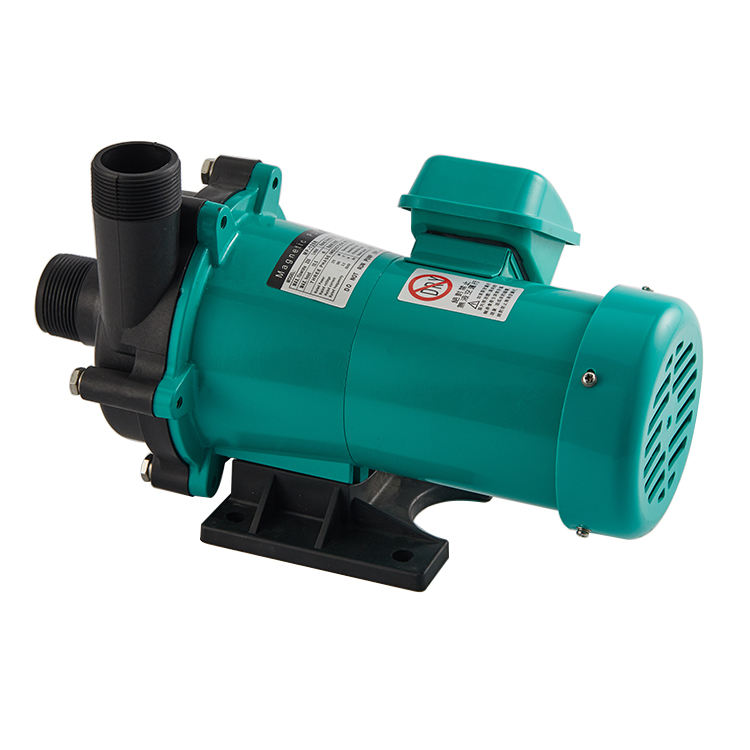
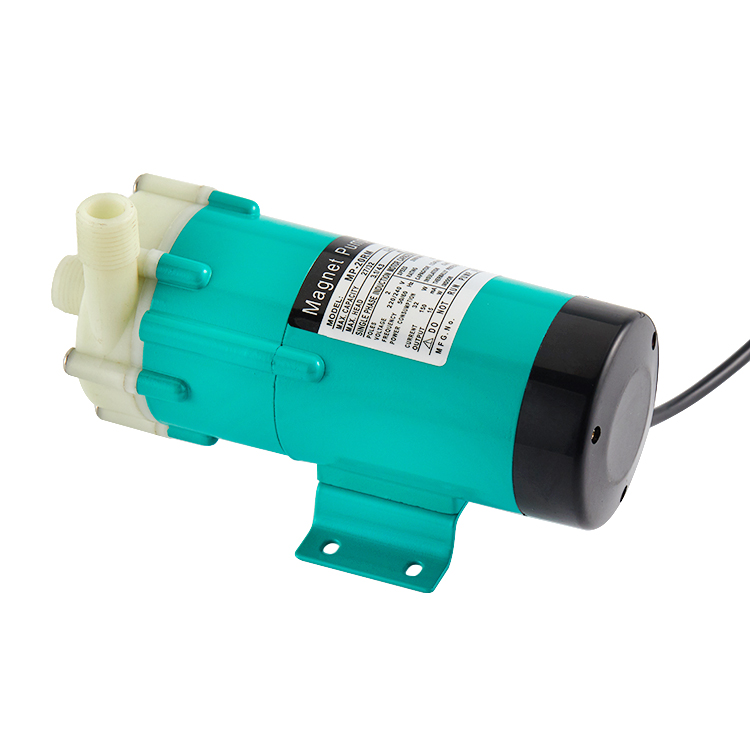
A chemical pump for alkaline fluids is a specialized pumping system engineered to safely handle and transfer alkaline solutions in industrial applications. This equipment represents a critical component in facilities that work with caustic substances, ensuring reliable operation while protecting infrastructure from corrosion and degradation.
The primary function of a chemical pump for alkaline fluids involves transferring alkaline solutions from one location to another while maintaining consistent flow rates and system integrity. Unlike standard pumps, this equipment features specialized materials and coatings designed to resist the corrosive nature of alkaline environments.
Key technological features include corrosion-resistant construction using materials such as stainless steel, specialized elastomers, and engineered polymers. The chemical pump for alkaline fluids incorporates advanced sealing mechanisms that prevent leakage and external contamination. Precision engineering ensures minimal wear on internal components despite constant exposure to caustic substances.
These pumps employ various operational designs, including centrifugal and positive displacement configurations, each offering distinct advantages depending on flow requirements and viscosity levels. The chemical pump for alkaline fluids typically includes enhanced bearing systems and shaft protection to extend service life significantly.
Common applications encompass water treatment facilities, chemical manufacturing plants, cleaning operations, and industrial processing environments. Businesses utilizing a chemical pump for alkaline fluids benefit from improved safety, reduced maintenance downtime, and enhanced operational efficiency. The equipment finds particular value in facilities handling sodium hydroxide, potassium hydroxide, and other caustic substances where standard pumping equipment would quickly fail.

 EN
EN