chemical pump for hydrochloric acid
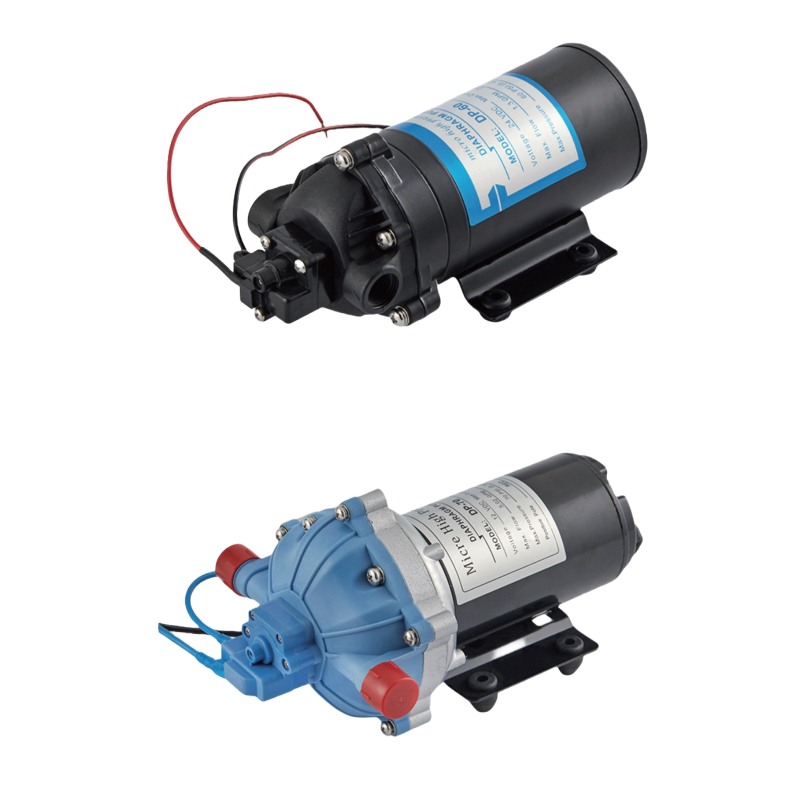
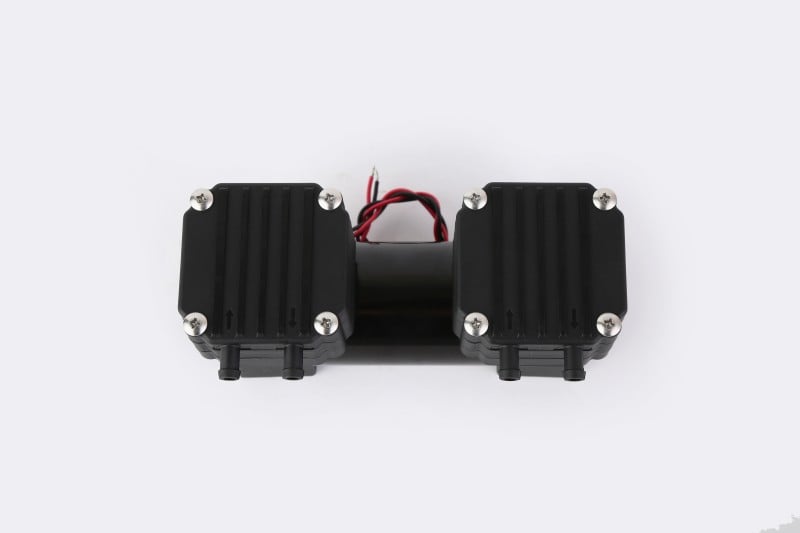
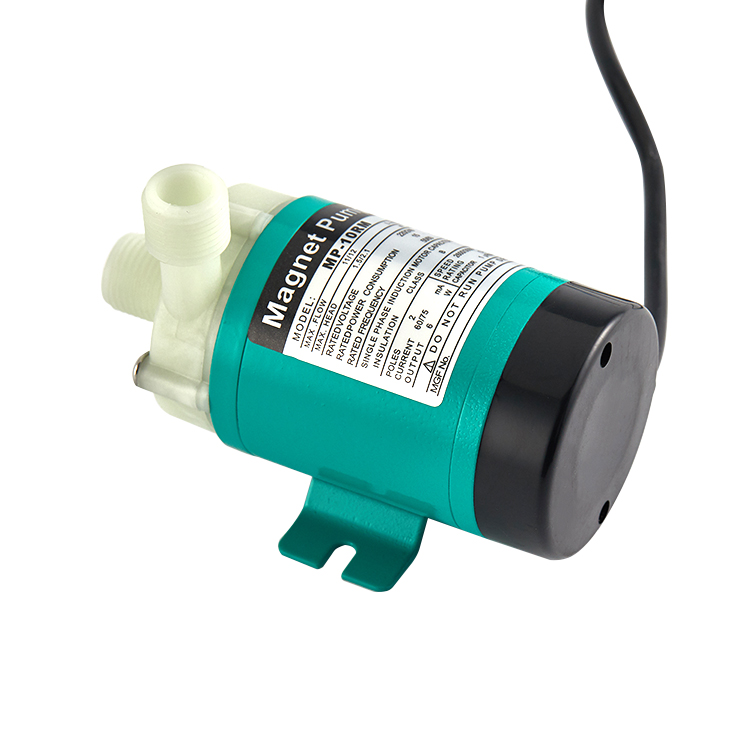
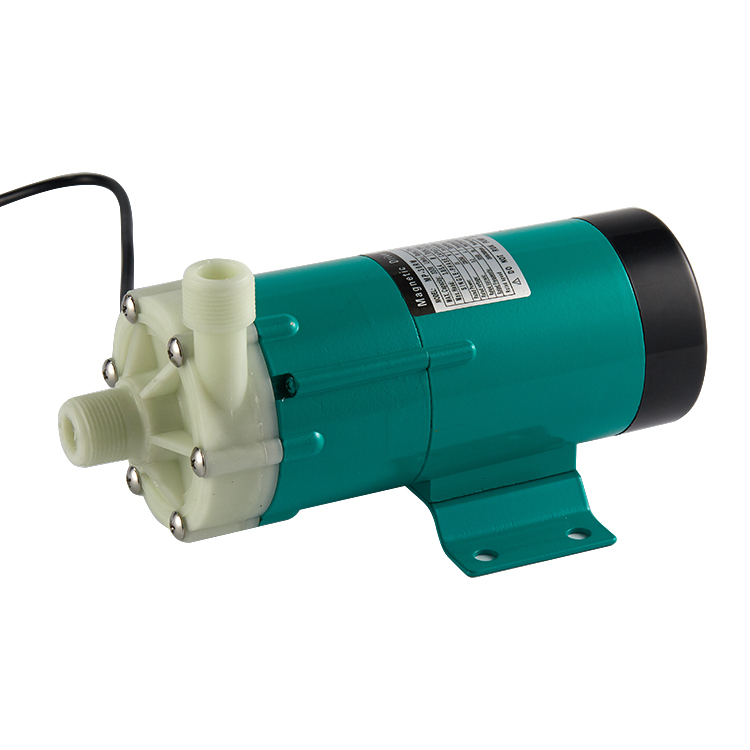
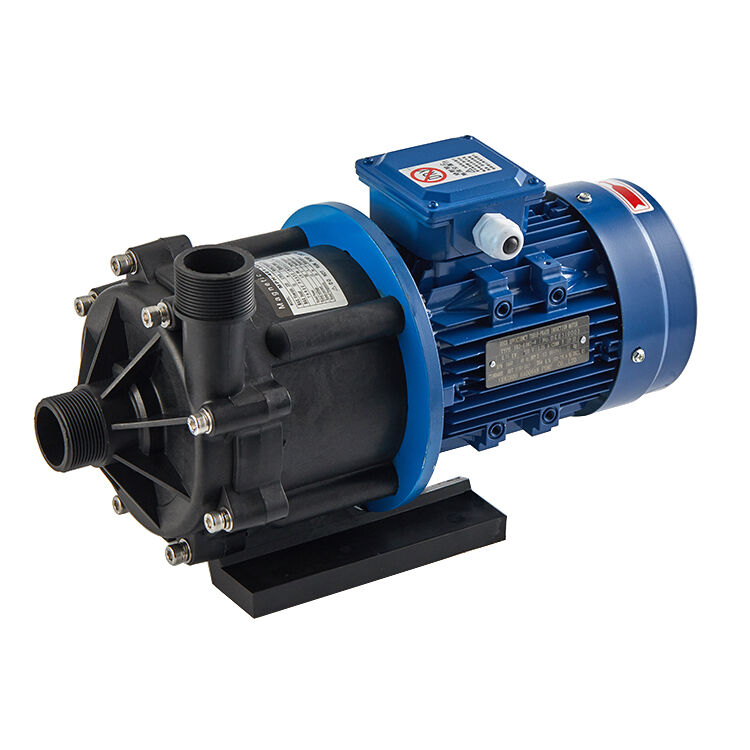
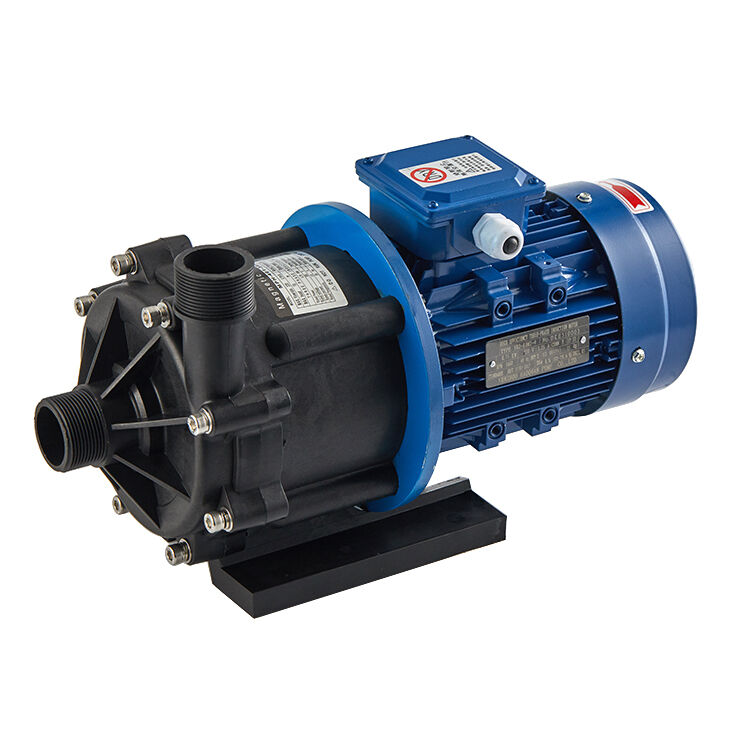
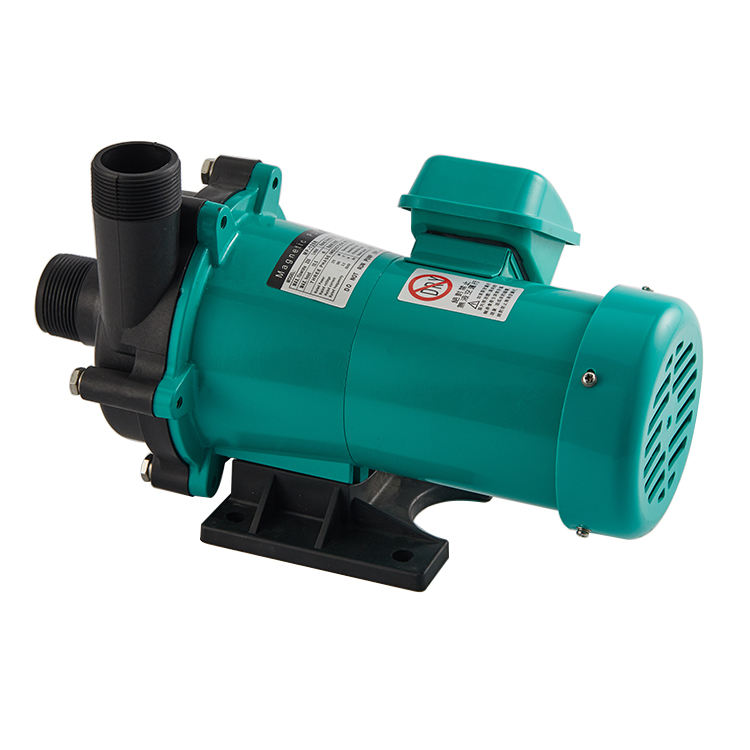
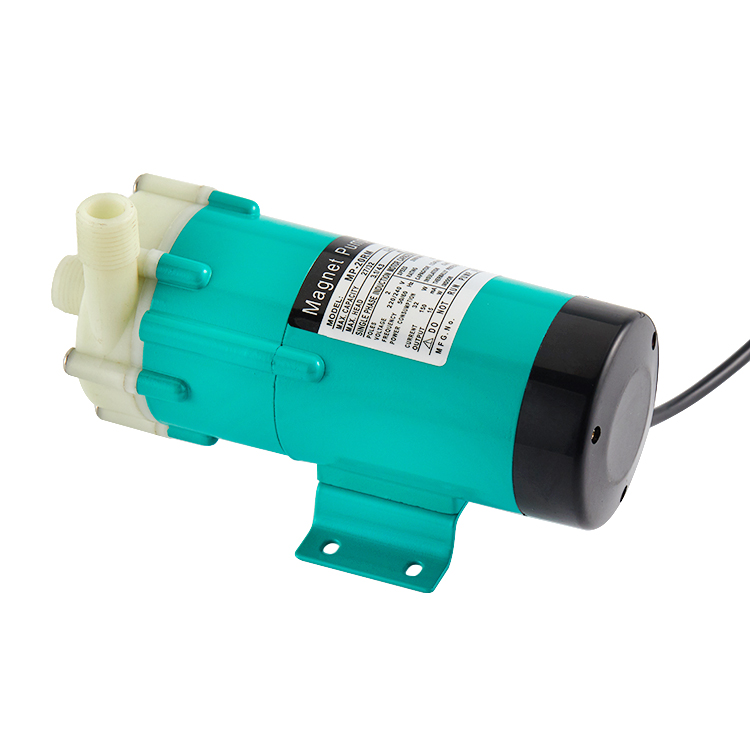
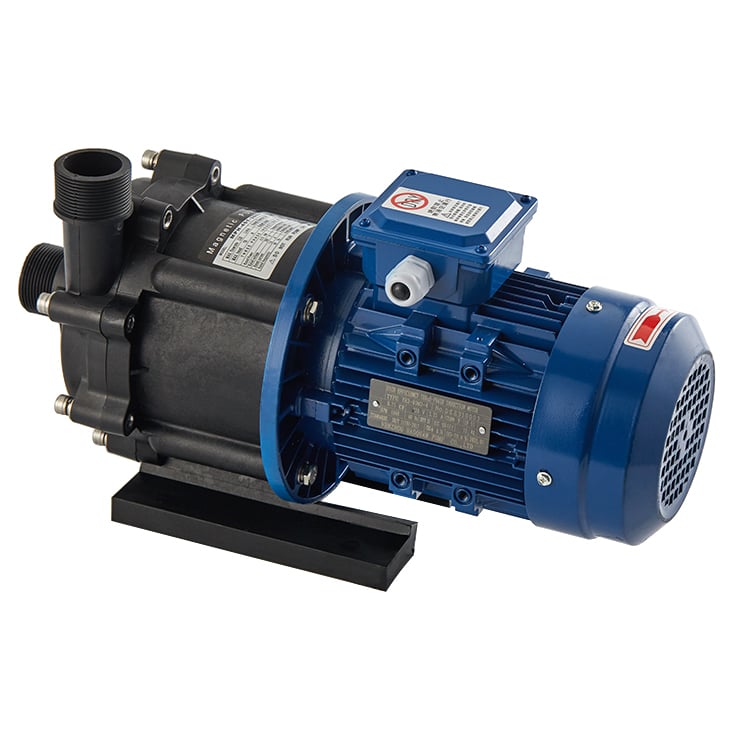
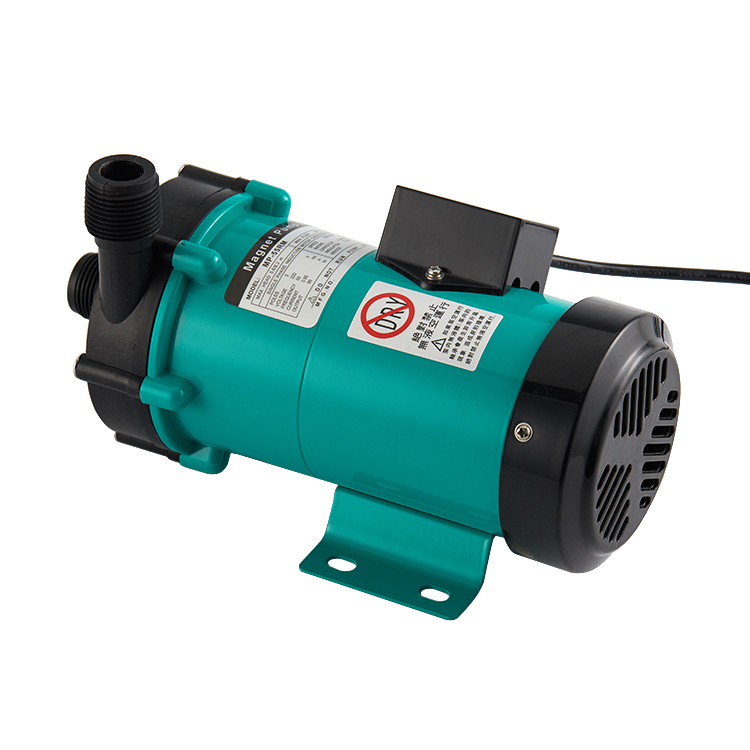
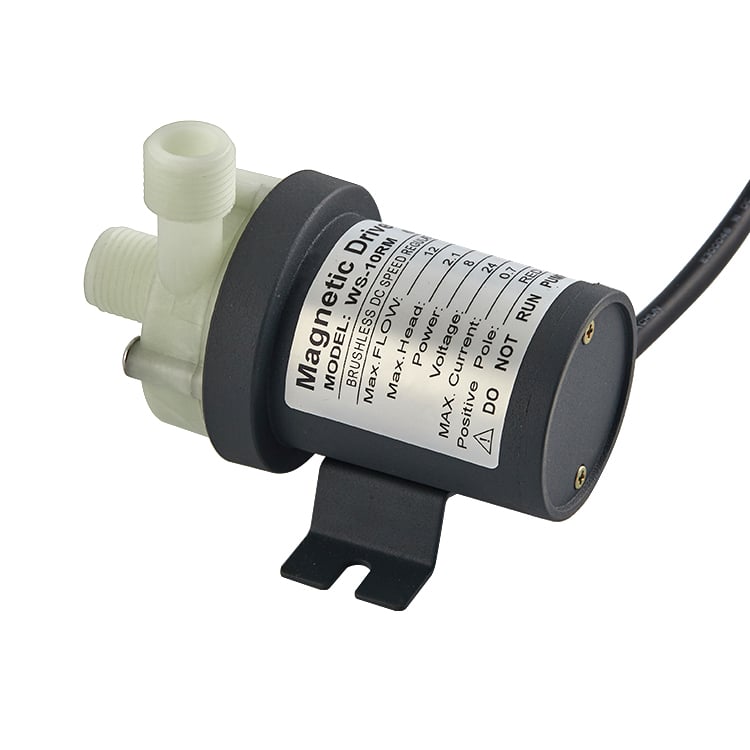
A chemical pump for hydrochloric acid is a specialized industrial equipment designed to safely transport and manage corrosive hydrochloric acid solutions across various chemical processing operations. This chemical pump for hydrochloric acid serves as an essential component in manufacturing facilities, laboratories, and treatment plants where reliable fluid handling is critical. The primary function of a chemical pump for hydrochloric acid involves moving acidic solutions through pipeline systems while maintaining operational integrity and preventing leaks or contamination. These pumps are engineered with advanced materials that resist corrosive degradation, ensuring extended service life and reduced maintenance requirements. Technological features of the chemical pump for hydrochloric acid include thermoplastic or polypropylene construction, mechanical seals designed specifically for acidic environments, and precision-engineered impellers that optimize flow rates. The chemical pump for hydrochloric acid operates efficiently across varying temperature ranges and pressure conditions, making it adaptable to diverse industrial applications. Key applications include metal pickling, steel processing, chemical manufacturing, water treatment, and ore beneficiation operations. The chemical pump for hydrochloric acid provides consistent performance while handling aggressive chemical mediums that would damage conventional pumping equipment. Its robust design incorporates safety features such as leak detection systems and reinforced housing to protect operators and surrounding equipment. Industries rely on the chemical pump for hydrochloric acid because it delivers dependable results in harsh chemical environments where standard pumps fail rapidly.

 EN
EN